The Labor Behind Our Lives: Recognizing the Work That Makes Our Lives Possible

"Our lives are built on the work of many hands."
September begins with an invitation to pause.
Before the school year gathers speed, before autumn fills the calendar, before Labor Day becomes one more long weekend, take a breath and look around.
Who stocked the shelves where you shop? Who taught a child you love? Who repaired the road, answered the phone, cleaned the building, delivered the package, prepared the meal, or sat beside someone in pain?
Whose labor made something in your life possible?
And how can you honor it?
This September, Joy & Associates is beginning A Month of Legacy, Reflection, and Renewal with a Labor Day reminder: our lives are built on the work of many hands. Some of that work is visible. Much of it is not.
The Work We See and the Work We Miss
In the United States, Labor Day falls on Monday, September 7, 2026. The holiday was established to honor the contributions and achievements of American workers, and its history includes the long struggle for safer conditions, fairer pay, reasonable hours, and dignity at work. You can read more about the history of Labor Day through HISTORY’s overview.
But when we say “workers,” who do we mean?
We mean the nurse working a night shift. The teacher preparing lessons after dinner. The farmer growing food. The restaurant worker welcoming you when you are tired and hungry. The driver moving people and supplies across town. The sanitation worker protecting public health. The construction crew building homes, offices, and bridges.
We also mean:
The administrator who keeps an organization from unraveling.
The technology professional solving problems most people never see.
The small-business owner carrying risk, responsibility, and hope.
The parent packing lunches, remembering appointments, and managing the family calendar.
The adult child coordinating care for an aging parent.
The neighbor checking on someone who lives alone.
The volunteer quietly serving a community.
The person doing household work that makes everyone else’s work possible.
Invisible labor is still labor.
The planning, cleaning, emotional support, mentoring, organizing, remembering, and caregiving that keep families and workplaces functioning require real time and energy. Recent research from AARP and the National Alliance for Caregiving reports that 63 million American adults provided ongoing care in 2025: nearly one in four adults. Most of that care was unpaid.
That is a staggering contribution.
It is also important not to romanticize it. Hard work does not automatically make a situation fair. Many people work without adequate pay, respect, security, safety, benefits, or rest. A heartfelt thank-you matters, but gratitude should never replace fairness.
People deserve both appreciation and support.
Work Is More Than a Paycheck
Work can be exhausting. It can also be meaningful.
For many people, work offers dignity, identity, connection, purpose, contribution, and opportunities for personal growth. You may discover strengths through your work that you did not know you possessed. You may learn patience, courage, leadership, creativity, or problem-solving. You may find people who become lifelong friends.
But what if you are in a survival job?
What if you are unemployed, underemployed, disabled, burned out, caring for someone else, or trying to return to the workforce? What if your current role pays the bills but does not reflect your values? What if you are nearing retirement and wondering what contribution looks like in your next chapter?
Your worth is not measured by your job title, your salary, or how much exhaustion you can tolerate.
You do not have to work endlessly to be worthy.
At Joy & Associates, we help people who feel stuck find their own best answers and create a practical path forward. With more than 25 years of experience coaching thousands of individuals and businesses, Joy understands that career decisions are rarely only about careers. They are often connected to health, family, relationships, confidence, finances, identity, and purpose.
Life works better with joy.
That does not mean every day feels easy. It means your choices can become more aligned with who you are, what you value, and the life you are trying to build.
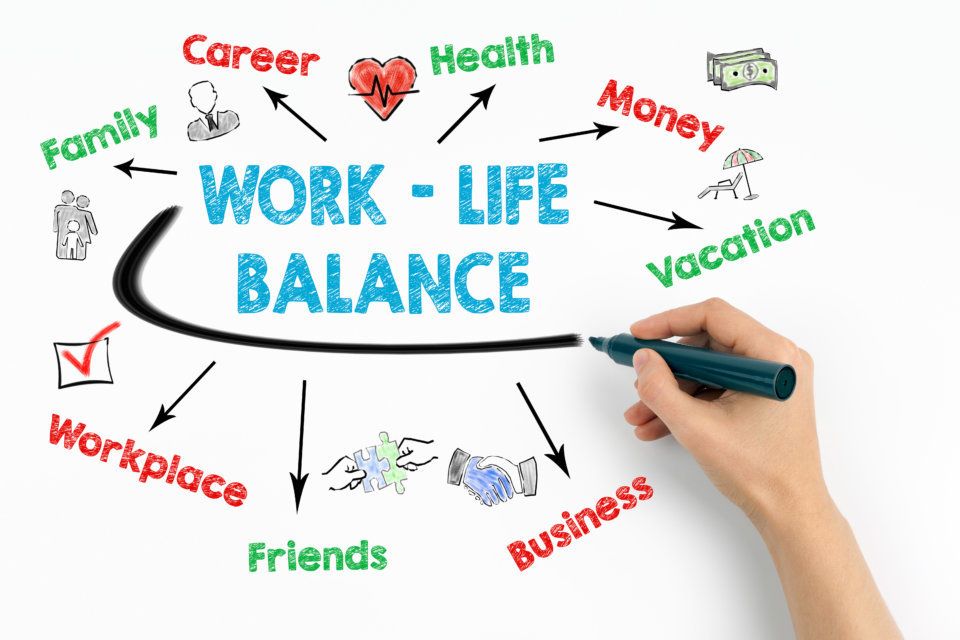
"Work, health, family, and purpose are connected—honoring all of them is part of personal growth."
A Gentle Check-In With Yourself
As you honor the labor around you, consider your own labor, too.
Are you giving more than you can sustainably give? Are you receiving fair compensation and respect? Are your strengths being used in ways that energize you, or are they being quietly drained?
What would change if you stopped making choices only to please others?
What if fear has been making your decisions for you?
What if you took time to honor your feelings, think carefully, and choose from within before committing to your next step?
This is not about making an impulsive leap. It is about becoming the author of your life strategy.
A life without regrets does not mean you will never make a difficult choice or experience disappointment. Regrets often grow from choices made under external pressure: trying to please everyone, avoid judgment, or stay hidden from fear.
When you choose from within, you can own the experience. You can find the lesson, blessing, or gift in the outcome. You can adjust your course without condemning yourself for being human.
That is personal growth.
And sometimes, it begins with one honest question:
Does my current work align with my values, strengths, health, and purpose?
Five Ways to Honor the Labor Around You
Appreciation does not have to be grand. It needs to be specific, sincere, and connected to action.
1. Say thank you specifically
Instead of offering a general “Thanks for everything,” name what you noticed.
“You made that confusing process easier for me.”
“I appreciate how patiently you explained that.”
“You kept our family organized during a difficult week.”
“Your care made me feel safe.”
Specific recognition helps people feel seen.
2. Pay fairly and tip appropriately
When you hire someone, pay what was agreed upon and, when possible, choose businesses that treat people fairly. Tip appropriately where tipping is customary. Remember that service work is work: not a performance offered for your convenience.
3. Support rest and healthy boundaries
Do not praise someone for never taking a break. Encourage realistic workloads, time off, and boundaries. In your workplace, ask:
Who is always expected to stay late?
Who carries the emotional labor?
Who mentors everyone but gets no credit?
What process could be improved so fewer people have to carry unnecessary stress?
Improving a workplace process can be an act of respect.
4. Recognize caregivers and household work
Notice the labor of cooking, cleaning, transportation, scheduling, medication management, childcare, elder care, and emotional support. Share the load when you can. Offer practical help within your capacity.
A casserole, a ride, a paid service, or two uninterrupted hours of rest may be more meaningful than a decorative card.
5. Mentor, volunteer, or document a story
Contribution is not limited to financial giving.
You can mentor someone entering a career. You can share a skill. You can volunteer for one hour instead of promising more than your energy allows. You can encourage a person who is beginning again.
You can also preserve a family work story.
Ask a parent, grandparent, neighbor, or elder:
What work did you do when you were young?
Who taught you how to do it?
What was difficult about it?
What are you proud of?
What did that work teach you about life?
Write down the answers. Save the photographs. Record the stories.
Legacy is built in ordinary moments.
Your Work Is Part of Your Legacy
Every day, people leave an impact through how they work, serve, teach, care, build, repair, welcome, and encourage.
You may not think of yourself as creating a legacy when you answer a customer’s question, teach a child to read, fix a leaking pipe, care for a parent, or make a workplace kinder. Yet these actions shape the people and places around you.
Your legacy is not only what you leave behind someday.
It is what you leave in people today.
That is why reflection matters. When you understand what your work has meant and what it has cost, you can make more intentional choices about the future. You can improve your personal effectiveness without turning yourself into a machine. You can develop personal growth strategies that honor both ambition and health.
Maybe your next chapter involves a new career. Maybe it involves better boundaries. Maybe it involves retirement, entrepreneurship, caregiving, teaching, or simply giving yourself permission to rest.
There is no single worthy path.
There is your path.

"Legacy is built in ordinary moments."
A Reflection for September
Set aside a few quiet minutes this week. Put your phone down. Let the silence feel a little awkward. It will survive.
Then consider:
Whose labor made something in my life possible?
What work in my home, workplace, or community is being overlooked?
How can I offer appreciation without placing more responsibility on someone already carrying too much?
What kind of contribution feels meaningful to me now?
Is my current work aligned with my values, strengths, health, and purpose?
What choice would I make if I honored my feelings before responding to outside pressure?
What lesson from my work do I want future generations to remember?
You do not need to answer every question today.
Clarity often arrives gradually, like morning light moving across a room.
This month, let gratitude become more than a feeling. Let it become a practice. Say the thank-you. Share the responsibility. Pay fairly. Protect rest. Mentor within your capacity. Notice the people whose labor supports your life, and honor your own labor, too.
If you are ready to reflect on your experiences and capture the wisdom they carry, explore Legacy Lessons through My Life Lessons. And if you feel stuck in your career, relationships, family life, or next chapter, accept the invitation to a complimentary conversation with Joy & Associates. It starts with a conversation. You’ll be glad you did.
Joy Huntsman, Master Coach & Founder, Joy & Associates