Family Traditions, Reflection, and Renewal: Lessons From Rosh Hashanah and Yom Kippur
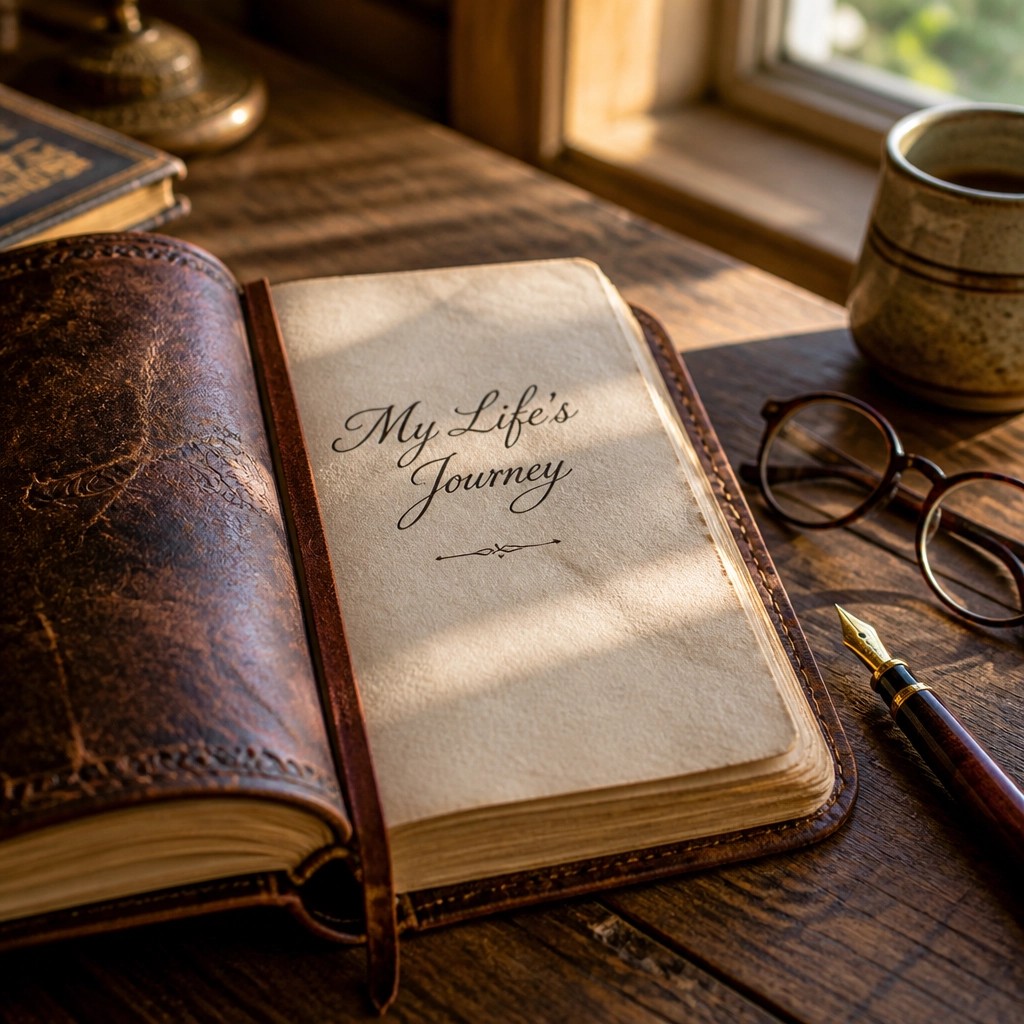
"Reflection gives us space to remember where we have been and choose how we want to move forward."
The turning of the year can invite us to pause.
Not because everything is perfect. Not because every family story is simple. But because reflection gives you a chance to notice where you have been, what you have carried, and how you want to move forward.
For many Jewish families and communities, Rosh Hashanah and Yom Kippur are deeply meaningful holy days within the Days of Awe. They hold space for remembrance, prayer, self-examination, making amends, forgiveness, and renewal.
Jewish observance is rich and varied. Practices differ among families, communities, and individuals. The reflections below are offered with respect: not as a substitute for Jewish teaching or observance, and not as a claim to speak for all Jewish people.
The 2026 dates
Jewish holidays begin at sundown and continue through nightfall.
✔️ Rosh Hashanah 5787 begins at sundown on Friday, September 11, and continues through Sunday, September 13, 2026.
✔️ Yom Kippur 5787 begins at sundown on Sunday, September 20, and ends on Monday, September 21, 2026.
You can confirm the dates through Hebcal’s 2026–2027 Jewish holiday calendar and Chabad’s 2026 High Holidays information.
Traditions help us remember
Family traditions may include a familiar meal, a recipe passed down through generations, time in synagogue, the sound of the shofar, lighting candles, prayer, or gathering with loved ones.
They may also include stories.
Who came before you? What did they survive? What values did they protect? What wisdom did they hope you would carry?
Family traditions are rarely perfectly polished. Someone forgets an ingredient. A child asks an unexpected question. A relative tells the same story for the tenth time: and somehow, you still listen.
That is part of the beauty.
Traditions connect the present to the past. They remind us that our lives did not begin with us. We inherited stories, strengths, struggles, and choices. We also have a role in deciding what comes next.
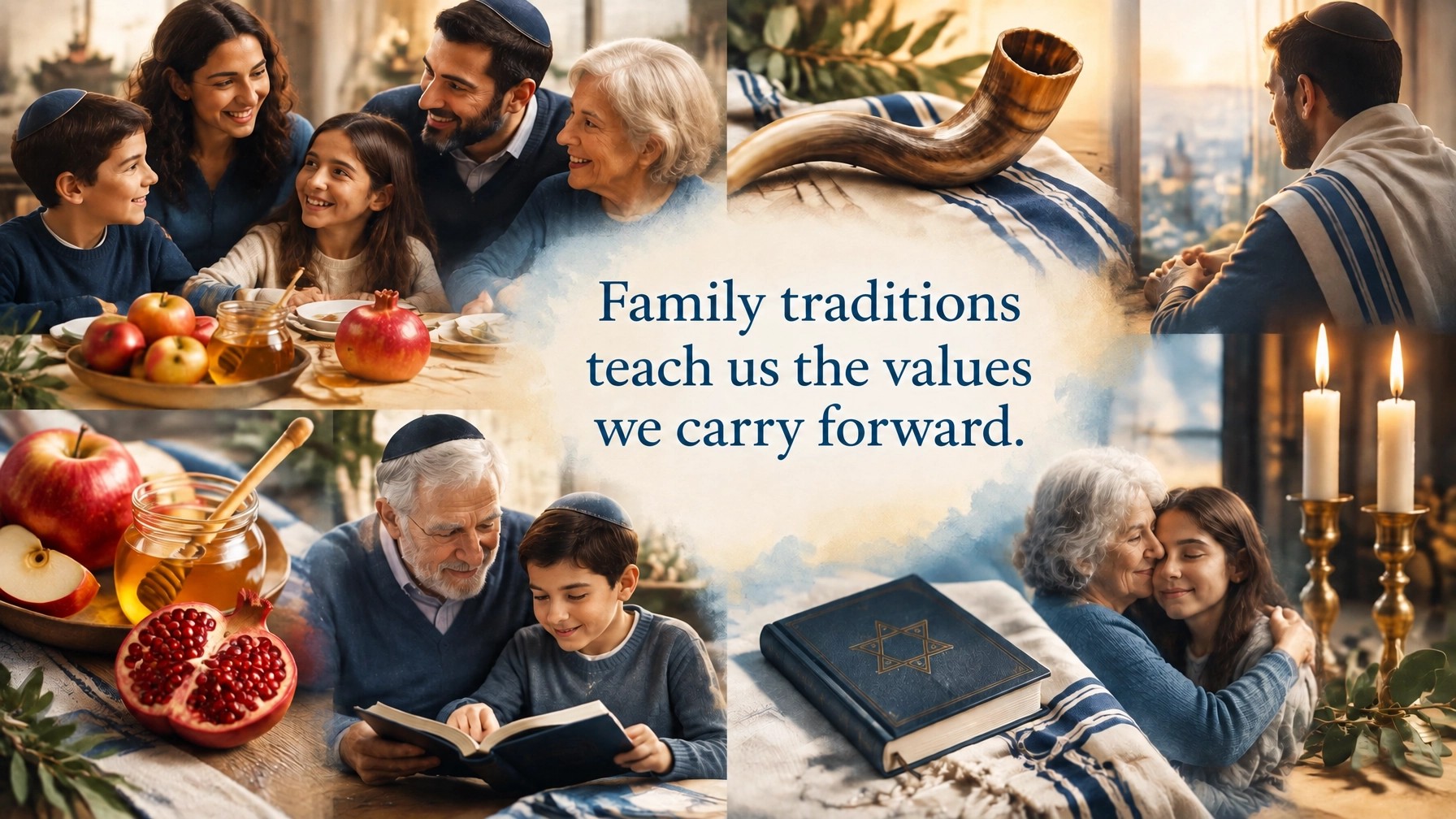
" "Family stories and traditions connect the past with the people we are becoming."
Rosh Hashanah invites a new beginning
Rosh Hashanah is known as the Jewish New Year. For many observers, it is a time of prayer, remembrance, gathering, and welcoming the year ahead. Some families share foods associated with sweetness and hope, while others mark the days through worship, community, and longstanding customs.
What does a new year ask of you?
Are you repeating a pattern that no longer fits? Are you carrying an old disappointment like a suitcase you forgot to put down? Have you been making choices from fear, pressure, or the desire to please everyone else?
In my 25-plus years of coaching thousands of individuals and businesses, I have seen how powerful it can be to stop and ask honest questions. Not rushed questions. Not questions designed to produce the answer someone else expects.
The questions that come from within.
A new beginning does not require you to erase the past. It asks you to look at it with greater clarity.
Yom Kippur makes room for accountability and return
Yom Kippur is often called the Day of Atonement and is the holiest day of the Jewish year. For many observers, it includes prayer, fasting, and serious reflection. It is also associated with teshuvah, a Hebrew word often translated as return or repentance.
This work is not simply about feeling guilty.
It is about examining your actions, recognizing where harm may have occurred, taking responsibility, and seeking repair. In Jewish tradition, making amends with another person is an important part of the process.
That offers a meaningful life lesson for all of us:
An apology is more than saying, “I’m sorry.” It is a willingness to see clearly, take ownership, and choose differently.
Have you been waiting for someone else to change before you take responsibility for your own next step? Is there a conversation you have avoided because it might be uncomfortable? Is forgiveness something you are ready to offer, or something you first need to offer yourself?
These questions can be tender. They can also be liberating.
You do not have to rush toward forgiveness. You do not have to deny what happened. You can honor your feelings, take time to think, and choose your response from a place of truth rather than fear.
Choosing what to carry forward
Every family has traditions worth preserving. Every family also changes.
Some people continue the customs they received. Some adapt them. Some create new traditions because the old ones no longer reflect their lives. Others are reconnecting with practices after years away.
There is no single family story.
The invitation is to consider what your traditions mean to you.
✔️ What family story has shaped the way you see yourself?
✔️ What value did someone before you model, even imperfectly?
✔️ What pattern are you ready to release?
✔️ What tradition would you like to carry forward?
✔️ What new practice could help your family stay connected?
Tradition does not have to mean repeating everything exactly as it was. Sometimes honoring the past means learning from it and choosing with intention.
That is how wisdom moves through generations.

"Wisdom grows when it is remembered, shared, and carried forward."
A brief reflection for the Days of Awe and beyond
If it feels appropriate, set aside a few quiet minutes. You may write privately, speak with someone you trust, or simply sit with the questions.
Remember: What person, place, or family story are you grateful to remember?
Examine: What action or pattern deserves your honest attention?
Repair: Is there a step you can take toward making amends?
Release: What no longer belongs in the next chapter of your life?
Renew: What value or practice do you want to live more fully?
You do not need to solve your entire life in one sitting. One honest answer is enough for today.
What I Offer
At Joy & Associates, I help you find your own best answers and move from feeling stuck toward clarity, purpose, and meaningful action.
✔️ The Gift of Self : Reflect on your experiences, strengths, and goals so you can live with greater self-understanding.
✔️ The Gift of Others : Build healthier relationships through communication, boundaries, empathy, and intentional choices.
✔️ Legacy Lessons : Capture the stories, wisdom, and life lessons you want future generations to understand.
✔️ Coach & Leadership Training : Develop the skills to support, guide, and lead others with confidence.
Schedule a complimentary conversation. It starts with a conversation.
As Rosh Hashanah has recently concluded and Yom Kippur approaches, may you find room for remembrance, honest reflection, and hope. May you also find the courage to honor your feelings, take responsibility where you can, and choose the next step that reflects who you are becoming.
You are not required to carry everything forward.
Explore Legacy Lessons to reflect on your experiences and capture the wisdom you carry. If you are ready for support with your own next chapter, schedule a complimentary conversation. You’ll be glad you did.
Joy Huntsman, Master Coach & Founder, Joy & Associates.